LRC VIDEOS
somuchgood
•
Hey, so there’s a pattern showing up in some secret shops that we’ve done for credit unions over the last few months, and it deserves a conversation because it gets right to the heart of what we mean when we say people helping people.
What does it actually mean? We use those words a lot as credit unions, but what does people helping people actually mean? Our teams are friendly. They’re welcoming. They’re polite. People leave the interaction either on the phone, virtually, or in person at the branch. They feel like they were treated nicely and that matters and we should feel good about it. But some of those same people leave without the help that they actually came for.
They asked about a loan, but nobody helped them take the next step. They said they just moved to town needing a checking account, but the conversation ended with, “Here’s all the features. Let us know if you need anything.” They just did. That’s why they called. That’s why they walked through the door. That’s why they filled out your form on your website. They were letting you know that they needed something. Somewhere along the way, we answered their question without helping them actually move forward. We smiled. We were pleasant. We answered questions.
This is what a secret shop actually helps us see. If you’re unfamiliar with the secret shop, here’s how it works. Someone approaches the credit union as a potential member. They might visit a branch. They might call or submit an interest form or go through an application process online, and then they describe what happened and what they experienced. Were they welcomed? Did someone ask questions to understand their situation? Was the information clear? Did anyone help them take the next step? It gives us a chance to really experience the credit union from the other side of the desk. Not just what we think or what we feel, but actually from the member or potential member perspective.
And lately, we’ve been seeing a lot of strong scores for friendliness with lower scores for actual connection and closing. And I want to be careful about that word “closing.” We mean helping someone reach a clear next step. That’s what we mean by closing. It might be starting an application or scheduling a conversation or understanding what documents they need or deciding that an option doesn’t actually fit what they need. The goal is for someone to leave knowing where they stand and what happens next.
It’s what people helping people asks of us as credit union team members. We are credit unions. People helping people is the sole reason we exist. People don’t need another bank. They need us. But that comes with responsibility. It comes with responsibility to do more than make someone feel welcome. When someone asks for help, we need to understand what they’re trying to accomplish and help them figure out how to get there.
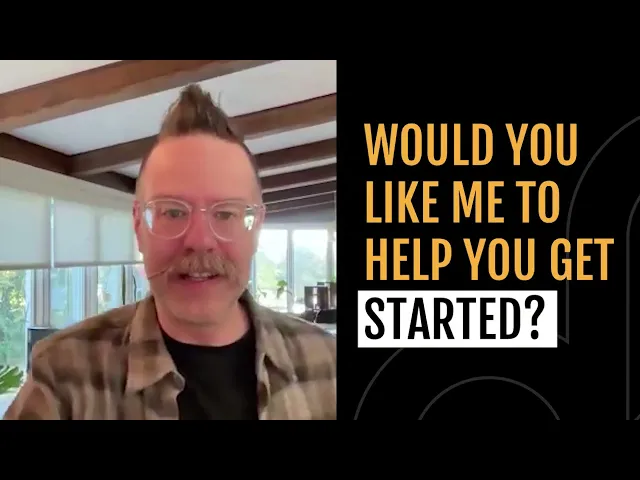
Imagine someone calls and says, “I’m looking at buying a car. What are your rates?” We can quote the rate. We can thank them for calling and tell them to reach out if they have any other questions. It’s polite. It answers what they asked, but there’s an opportunity to help that’s sitting right there that we missed. We could ask, “Have you already found a car or are you still looking?” That one question changes the entire conversation. If they’re still looking, we can explain how getting preapproved could help them understand their budget before they even go shopping. Or maybe they found the car. We can help them understand what they need to review: their financing options, GAP, insurance. Then we can offer that next step. “Would you like me to help you get started?”
There’s nothing salesy about that. They’re obviously in the market for a car. And if we believe that we are people helping people and we have the best option, “Would you like me to help you get started?” is that natural next step. They’re free to say yes. They’re free to say they’re still comparing. Either answer gives us a better understanding of how we can help.
That connection starts with curiosity. People usually lead with a product question because that’s the language they know to use. What’s your rate? Do you have free checking? Can I refinance my car? Our job is to understand the question behind that question, or the situation behind that question. Someone asking about refinancing may be trying to make room in a tight monthly budget. Someone asking about checking may have just moved and they’re trying to get direct deposit set up before their first payday.
We find that out by being curious. Not by being salesy, but by finding the problem and seeing if we’ve got a solution for it. Questions help. Something like, “What are you hoping to change about your current loan? What matters most to you in a checking account? When would you like to have this taken care of?” You don’t have to turn every conversation into an interview. Just ask a question. Listen to the answer. Let what you hear guide what you do next.
You can make that next step easier. And that’s our goal. Once you understand the need, help the person move forward. If someone says, “Oh, we just moved here. We need to open a checking account,” say, “Welcome to the area. We can help with that. Would you like to get started today? Can I walk you through what you’ll need?” Someone asks about a loan: “Based on what you’ve shared, getting preapproved could really help you shop with a clearer budget. Can I help explain how that works?”
If someone submits an interest form online, a response that says, “Hey, thanks for your interest. Call us with questions,” puts the work right back on them. They’re not going to do it. Instead, respond to the need they shared. “Hey, I saw you’re interested in refinancing a vehicle. What do you want to improve about your current loan? We can talk through the options. We can take a look. We can see if we can help.”
The next step should feel useful, specific, and manageable. But follow-through is part of that help. Sometimes you can’t finish the process yourself, and that is okay. We’re not asking you to know everything about everything. You can still take responsibility for making the handoff easier. “Hey, let me connect you with so-and-so who handles that.” “Hey, if it’s okay, I’ll share what we’ve discussed so you don’t have to start over. Can I do that?”
Or maybe sometimes a callback is needed. Explain who’s going to call and when. Make a commitment you can keep, and then keep it. And if someone isn’t ready, respect that. “Hey, of course. What information would help you compare your options?” If following up would be useful, ask permission. Agree on a time. If they decline, then you honor it. People should feel supported throughout the entire process of communicating and engaging with the credit union, including when they decide to wait or go in another direction.
Here’s what we want you to practice. Before you end the next conversation, hit pause and ask yourself: Do I understand what this person is trying to accomplish? Have I offered a useful next step? And do they know what happens or what needs to happen next? And lastly, if I promise something, have I made sure it will happen? Can I keep that promise?
A friendly conversation does matter, but so does an accurate answer. And when someone comes to us ready for help, we have an opportunity and an obligation to do so much good by staying with them long enough to make progress. Sometimes that starts with a simple question. Remember this: “Would you like me to help you get started today?” That question’s going to be your best friend.
lrc-videos, member experience
people helping people